Mar 31, 2026
Irish Sport Industry Awards 2026: Celebrating Excellence Across the Sector
The Irish Sport Industry Awards continue to stand as a powerful platform to showcase the very best of sport in Ireland. Uniquely positioned to tell the story of the industry as a whole, the awards recognise recent achievements across the sector while shining a light on the incredible contribution of organisations, partners, and individuals who are driving sport and physical activity forward.
From grassroots participation to high-performance innovation, the awards capture the breadth and impact of Ireland’s sporting landscape. They celebrate not only success, but also ambition, creativity, and the commitment to shaping the future of sport.
As the 2026 awards approach, organisations across the country are encouraged to submit their entries and be part of that story. This is an opportunity to showcase the positive work being done every day, helping to paint a broader, more vibrant picture of the sporting industry in Ireland.
Highlight Category: Best Commercial Partnership in Sport
Strong partnerships are at the heart of modern sport, and the Best Commercial Partnership in Sport category recognises collaborations that deliver real impact.
This award celebrates partnerships that go beyond traditional sponsorship. It focuses on those that create meaningful engagement, align shared values, and achieve measurable outcomes for both the sporting organisation and the commercial partner. Whether through innovative campaigns, creative activations, or long-term strategic alignment, successful entries will demonstrate clear evidence of audience growth and engagement, mutual benefits and shared objectives, and measurable impact such as reach, return on investment, and brand value.
In an increasingly competitive landscape, this category highlights how collaboration can elevate sport, expand its reach, and deliver lasting value for all involved.
Highlight Category: Best Use of Communications Platforms in Sport
In today’s digital world, storytelling and connection are more important than ever. The Best Use of Communications Platforms in Sport category recognises organisations that are cutting through the noise with innovative and engaging digital content.
This award celebrates those who have successfully built and nurtured a community of sports fans through creative use of communications platforms, whether through social media, campaigns, or integrated digital strategies. Judges will be looking for evidence of building and engaging a strong digital audience, originality and standout execution in a crowded space, and measurable growth supported by clear data and insights.
This category reflects the evolving nature of sport, where digital platforms play a key role in connecting communities, promoting participation, and amplifying the voice of sport across Ireland and beyond.
Make Your Entry Count
Submitting a strong entry is essential. The judges can only assess what is presented, so clarity, structure, and impact are key. Keep your submission concise, tell your story in clear and simple language, and ensure your key achievements are easy to understand.
The most successful entries combine both quantitative data and qualitative insight, backed up with evidence. Metrics such as participation growth, audience reach, or campaign performance are crucial in demonstrating impact, while strong observations help bring your story to life.
Make sure to address all judging criteria for your chosen category, provide supporting materials such as presentations or media links, and tailor each submission if entering multiple categories.
Above all, be clear about your goals, your delivery, and your outcomes.
Be Part of the Story
The Irish Sport Industry Awards are more than just a celebration. They are a reflection of the innovation, dedication, and passion that define sport in Ireland.
By submitting your entry, you are not only showcasing your organisation’s achievements, but also contributing to a wider narrative about the strength and future of the sporting sector.
So don’t miss your chance. Get your entry in and be part of Ireland’s sporting story.
Enter here https://irishsportindustryawards.ie
Entries close April 2nd
#ISIAS26 #SportMatters
Mar 27, 2026
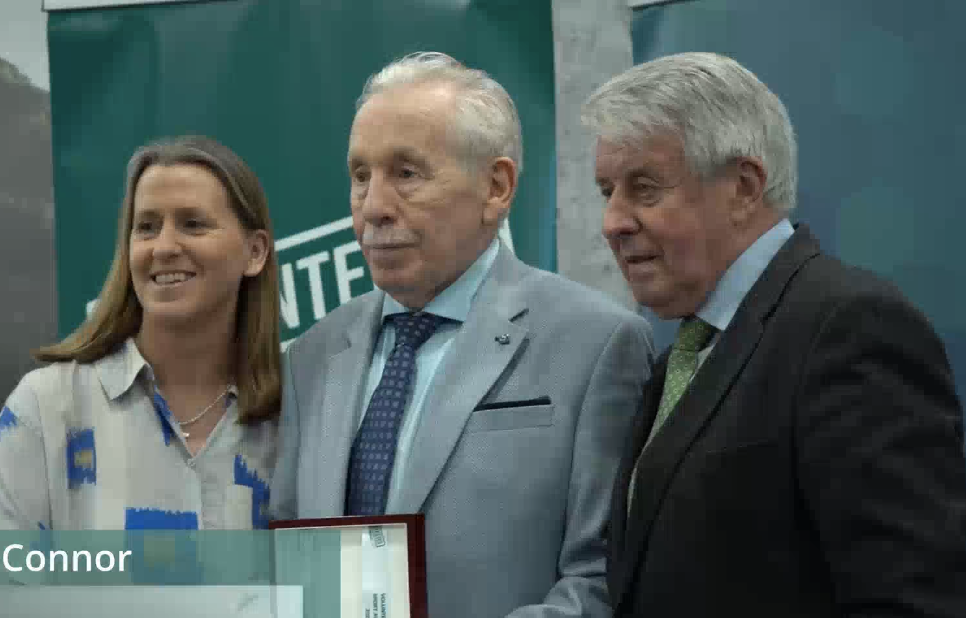
Our Volunteer in Sport Awards was a fantastic afternoon dedicated to recognising the incredible individuals who give their time, passion and commitment to sport in our communities all year round. It was a privilege to celebrate the impact of so many amazing volunteers and to shine a spotlight on the difference you make.
A sincere thank you to the Minister Charlie McConalogue for joining us and presenting the awards, your support for volunteers in sport is hugely appreciated.
Thank you also to the Crowne Plaza Dublin Blanchardstown Plaza for being such a fantastic venue and helping create such a memorable evening.
A big shoutout to MWX Media for capturing the spirit and sentiment so perfectly.
We are grateful also to Prime Awards for the medals and goody bags the Volunteers received.
Most importantly, thank you to all of our volunteers. Your dedication behind the scenes is what keeps sport thriving, and it was wonderful to have the opportunity to recognise and celebrate everything you do. Each club was also rewarded with a €200 voucher.
#DedicatedtotheDedicated
Mar 12, 2026
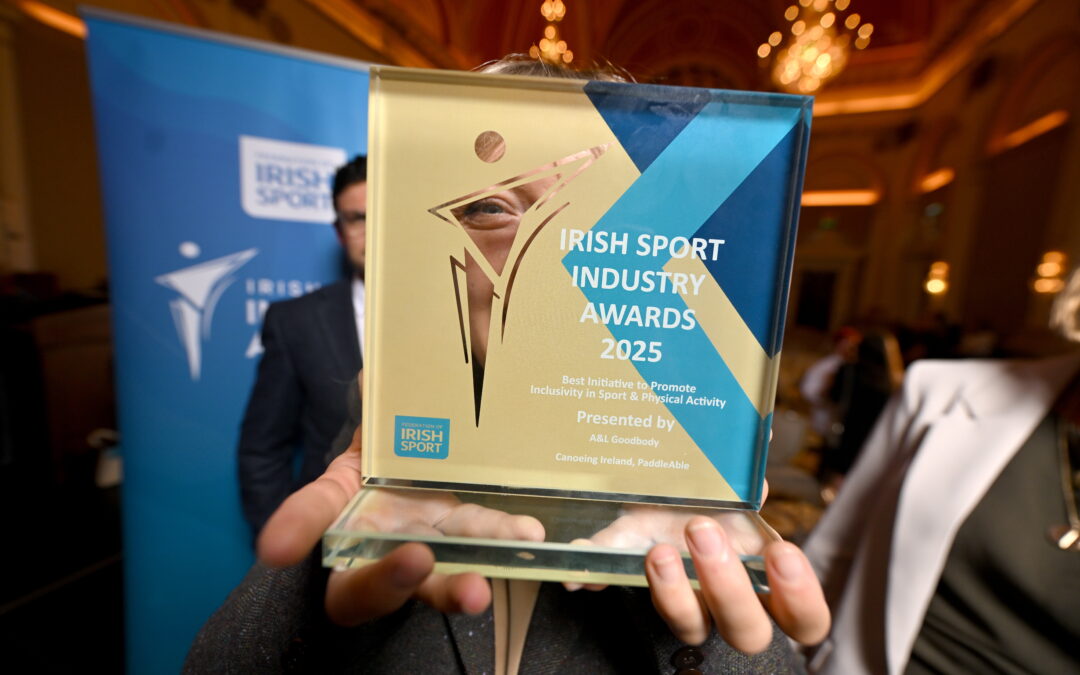
The Federation of Irish Sport today proudly launched the 2026 Irish Sport Industry Awards. The awards will take place in Dublin on Tuesday 19th May and be hosted by broadcaster and journalist Sean O’Rourke. This will be the nineth staging of the awards which recognise the invaluable relationship between business and sport in Ireland. The Sport industry in Ireland supports 64,000 jobs, stimulates €3.3 billion in household spending, and generates €3.7 billion (GVA) gross value added to the Irish economy.
Entries are now open for submission, for a full list of categories, event updates and to enter the awards go to: https://irishsportindustryawards.ie/. Closing date for entries is: 2nd April 2026.
We are delighted to announce the addition of two new categories this year:
Best Initiative to Promote Disability in Sport and Physical Activity
This award is to recognise the support of lifelong participation for all in sport and physical activity. It is open to any organisation or enterprise either within the sport industry, or is using sport as a vehicle, which promotes increased inclusion, engagement and participation in sport and physical activity for those with a disability.
Best Initiative to Promote Sustainability in Sport and Physical Activity
This award shall recognise sporting bodies or businesses in the sport or physical activity sector who display a comprehensive strategy to promote sustainability in sport or physical activities to mitigate against environmental impact of their operations or participation of their members.
Mary O’Connor, CEO of the Federation of Irish Sport said: “The Irish Sport Industry Awards are an important platform for recognising our member National Governing Bodies and Local Sports Partnerships valuable contribution to sport through their initiatives, collaborations and commercial activations. While also spotlighting new and emerging sports tech enterprise innovations, many of whom have gone on to excel in international markets.”
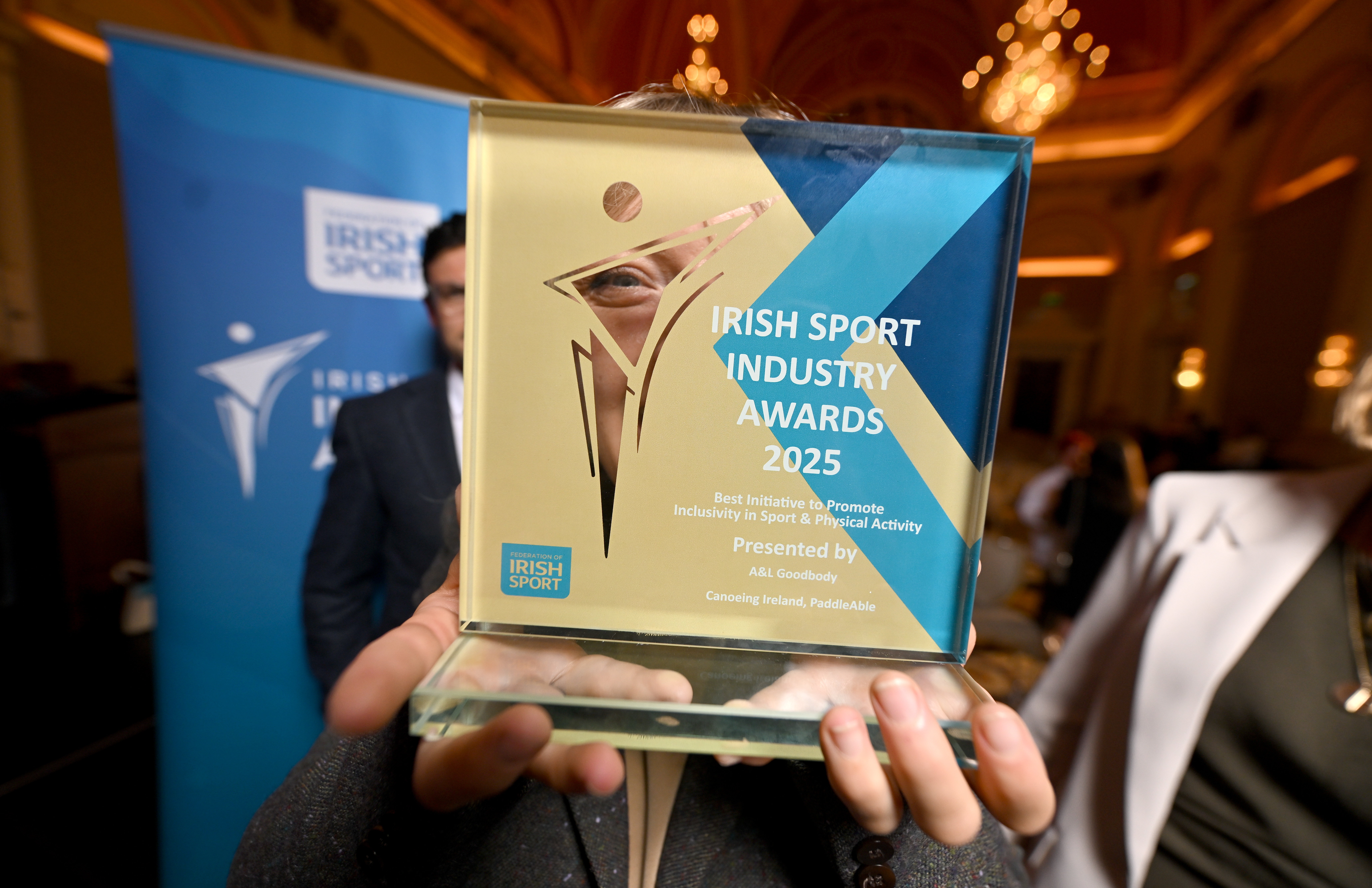
We invite you to take a look back at the 2025 awards.
Mar 6, 2026
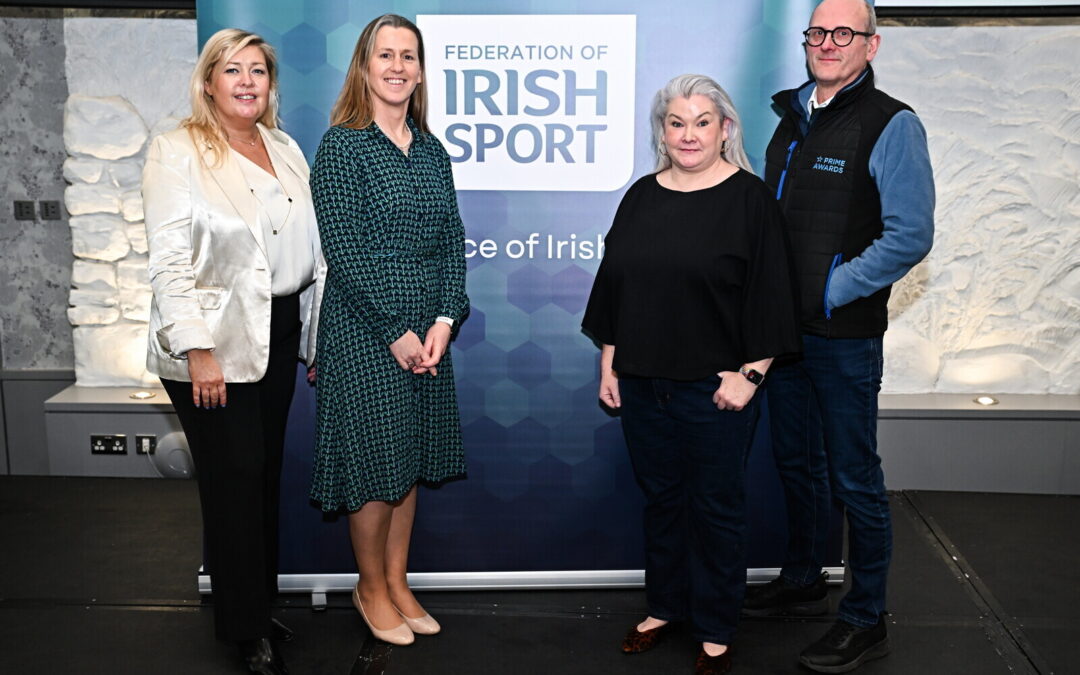
Pictured above: Clare Louise O'Donoghue Head of Commercial and Marketing FIS, Mary O'Connor CEO FIS, Jenny Fogarty Director of Sales and Marketing Prime Awards, John Lee Business Development Manager Prime Awards
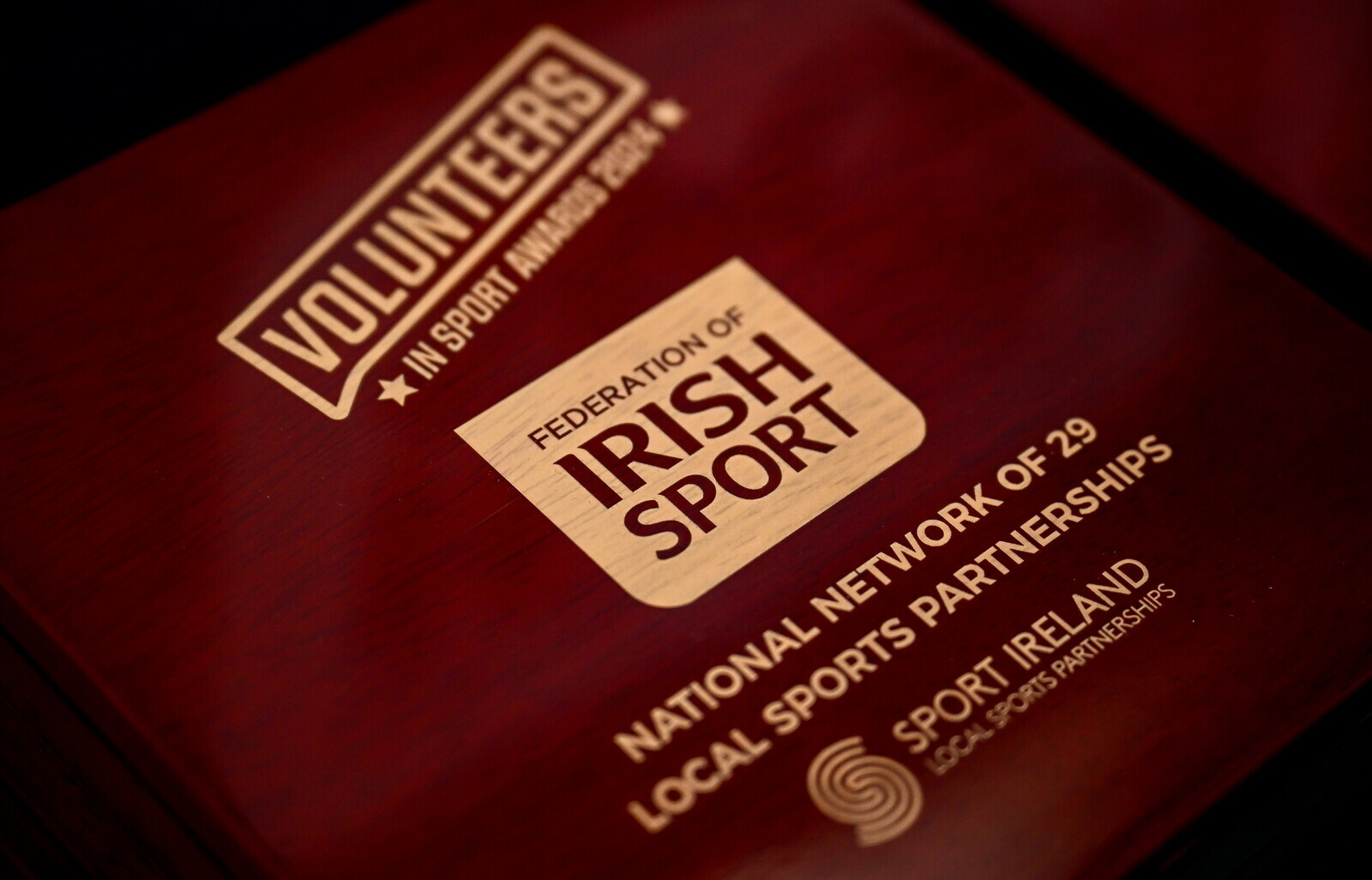
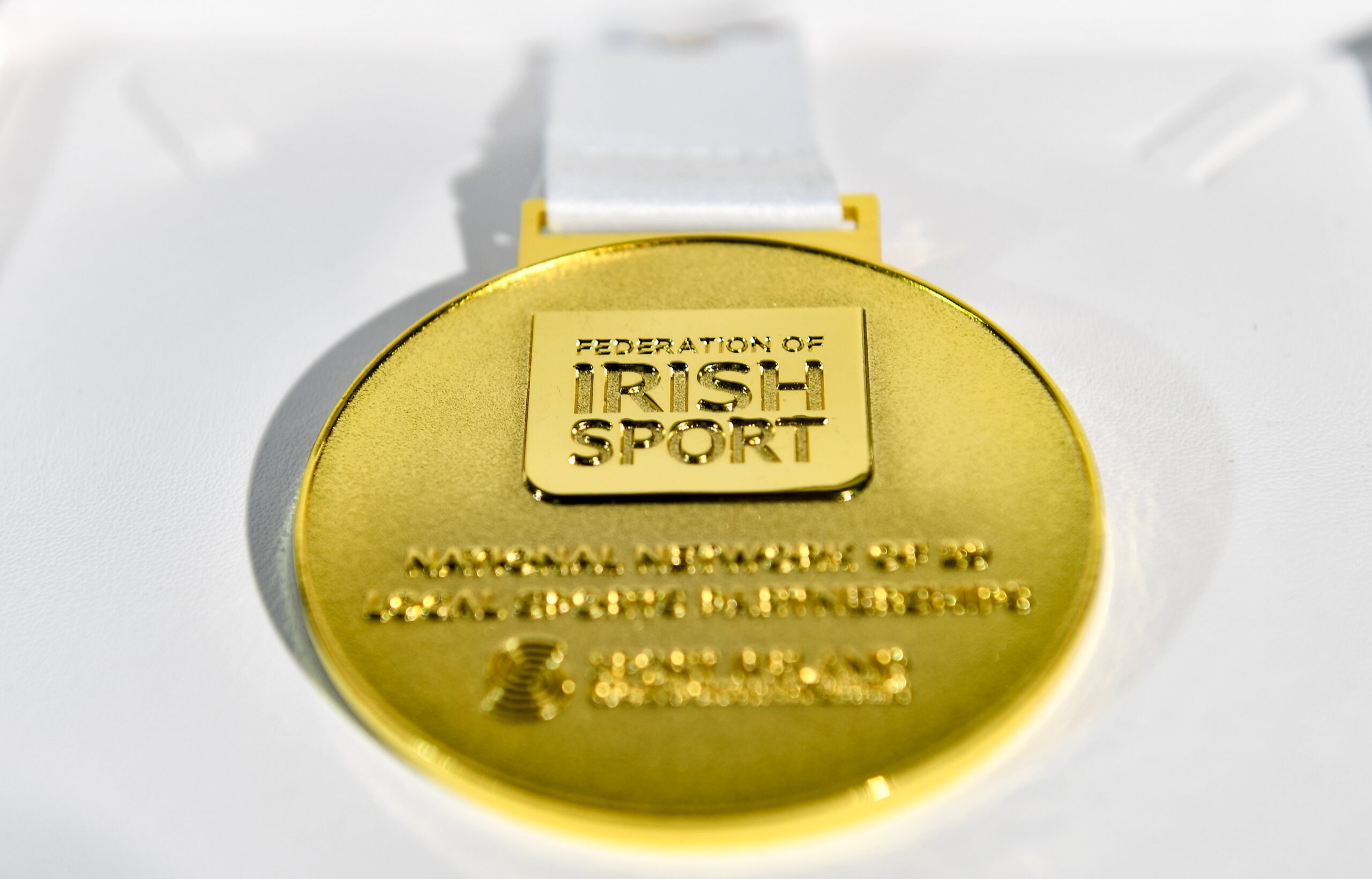
The Federation of Irish Sport has announced a new partnership with Prime Awards as the Official Supplier to its two flagship annual celebrations — the Volunteers in Sport Awards and the Irish Sport Industry Awards.
Under the partnership, Prime Awards will design and produce the medals, trophies and branded merchandise that recognise excellence across both events, celebrating the individuals and organisations who contribute to the success of Irish sport.
The Volunteers in Sport Awards honour the vital contribution of volunteers across the country, whose efforts underpin community sport and are estimated to contribute €1.5 billion in economic value to the Irish economy each year.
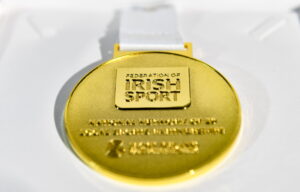
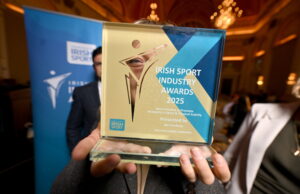
The Irish Sport Industry Awards recognise the organisations and leaders driving Ireland’s growing sports sector, which contributes €3.7 billion in Gross Value Added (GVA) to the economy and supports almost 65,000 jobs nationwide.
Established in 1939, Prime Awards is an Irish family-run business and the nation’s leading supplier of trophies, awards and promotional branded goods. Bringing together the heritage of MMI, Lee Brothers and Bright Promotions, the company combines more than 200 years of expertise in recognition and branding.
Based in Dublin, Prime Awards continues to design and manufacture in Ireland, serving clients across government, education, sport and corporate sectors. With modern facilities and a passionate team rooted in tradition, Prime Awards proudly carries a shared legacy forward while delivering excellence in quality, service and innovation.”
Speaking on the announcement Mary O’Connor CEO Federation of Irish Sport said, “This partnership will ensure that the achievements celebrated through the Volunteers in Sport Awards and the Irish Sport Industry Awards are marked with bespoke awards custom made by the skilled professionals at Prime Awards that reflect the pride, dedication and excellence of Irish sport. Their branded merchandise will elevate our awards ceremonies, conferences and increase FIS branding visibility.”
John Lee Business Development Manager of Prime Awards stated, “As Official Supplier to the Federation of Irish Sport, Prime Awards will play a key role in helping recognise the individuals from grassroots volunteers to national and industry leadership, whose contributions help shape Irish sport at every level. We are honoured to create the awards and promotional goods that celebrate dedication, performance and achievement at every level of Irish sport.”
Feb 26, 2026
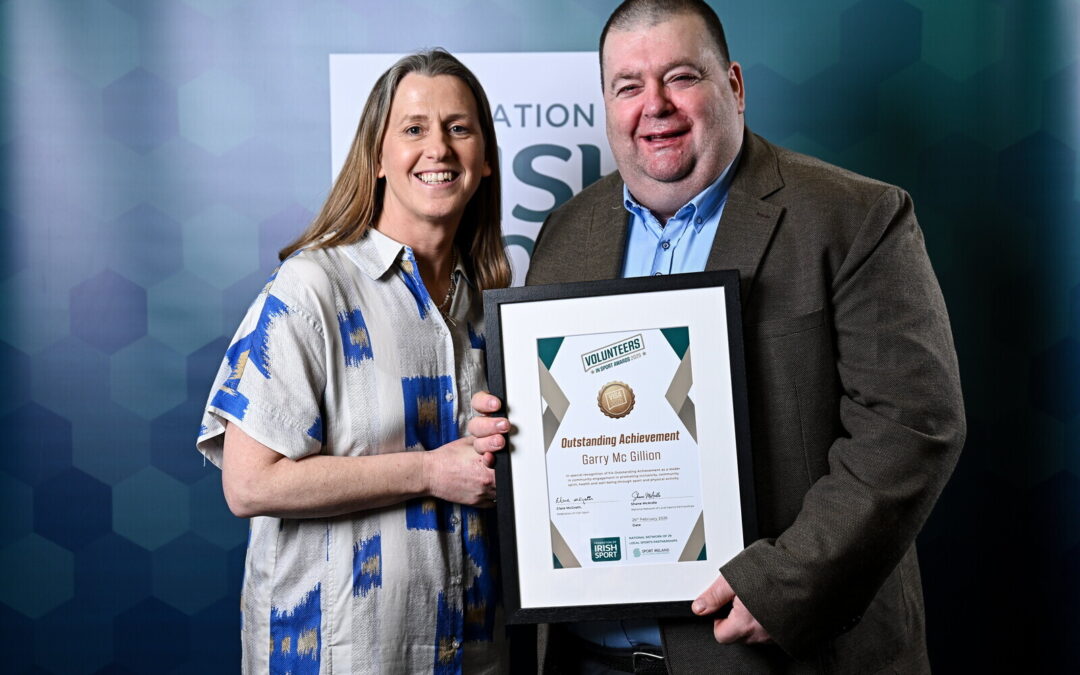
Garry Mc Gillion (Co. Tyrone) receives Outstanding Achievement Award
Federation of Irish Sport Celebrates Volunteers in Sport from 32 Counties, Championing Community Spirit, Dedication and Participation
The Federation of Irish Sport, supported by the National Network of 29 Local Sports Partnerships celebrated 36 recipients of the 2025 Volunteers in Sport Awards, recognising one individual from every county in Ireland for their exceptional commitment to enabling sport and physical activity thrive in their local sports club and communities. Attending the awards to pay special tribute to the volunteers was Minister Charlie McConalogue TD, Minister of State for Sport and Postal Policy who gave the keynote address.
- 32 countywide celebration of volunteers in sport at annual awards ceremony, supported by the Sport Ireland National Network of 29 Local Sports Partnerships.
- Awards honour contribution of Ireland’s 460,000 volunteers across all sports.
- Contribution of volunteers estimated to be in excess of €1.5billion annually.
In addition to celebrating the 32 county individuals, Co. Tyrone’s Garry Mc Gillion was awarded the Outstanding Achievement Award. Garry’s boxing journey began as a young competitor, but his career was tragically cut short following the Omagh Bombing in 1998. Despite the trauma and personal loss, Garry redirected his passion into lifelong voluntary service. Garry’s contribution also extends to leadership and governance through his work on the Ulster Boxing Council and the Central Council in Dublin, ensuring Ulster boxing continues to have a strong and trusted voice nationally. Garry Mc Gillion exemplifies resilience, dedication, and outstanding community spirit.
For decades, Garry has been a dedicated coach with his local club, giving 3–4 evenings each week to training and mentoring young boxers. His focus has always been about more than success in the ring, he uses boxing to help young people overcome hardship, build resilience, confidence, discipline, and achieve their personal best in sport and in life.
Speaking at the awards, Minister Charlie McConalogue TD, Minister of State for Sport and Postal Policy commented: “The culture of volunteering in sport is one that we have a proud tradition of in this country, and so it is fitting that we celebrate some of the outstanding individuals and groups from all sectors of the sporting community at this event. Be it coaching teams, preparing pitches, administering timetables, driving participants to training, matches or competitions, none of it happens without the dedication of volunteers. I want to wish all of the nominees the very best of luck, and to thank them, and the wider volunteering community, for all of their contributions to sport around the country.”
Speaking about the significance of the awards, Mary O’Connor, CEO of the Federation of Irish Sport, said: “The Federation of Irish Sport is delighted to honour the extraordinary volunteers who dedicate their time, passion, and energy to supporting sport and physical activity across Ireland. Their commitment not only enriches Irish sport but also strengthens communities nationwide.
“Their dedication is worth €1.5bn to the Irish economy each year. These awards provide an important opportunity to recognise the immense scale of volunteering required each week to support 1.47 million club members throughout the country.”
Sport Ireland CEO Dr Úna May said: “Volunteers are the driving force behind sport in Ireland. Their contribution helps sustain clubs and communities. From coaches to committee members, officials and event helpers, their contribution helps keep people active and connected.
“Sport Ireland research highlights the sheer scale of this commitment, with hundreds of thousands of people giving their time to support sport, including more than 268,000 involved in coaching – most of them volunteering, many with children. This generosity reflects a deeply rooted culture of involvement that underpins sport right across the country.”
Shane McArdle Coordinator of Dún Laoghaire-Rathdown Sports Partnership and member of the adjudication panel said: “The National Network of 29 Local Sports Partnerships is delighted to come together to collectively support and promote the annual Volunteers in Sport Awards. The awards are a nationwide celebration of the grassroots activities and spirit of volunteerism that is the backbone driving sport and physical activity in our communities.”
Championing Community Collaboration and Lifelong Service to Sport
This year’s awards saw the introduction of an inaugural club/community award in association with Clann Credo to highlight the breadth of volunteer commitment across the country, recognising the collective impact of volunteer-led groups supporting sport and physical activity nationwide. The provincial honourees were in Ulster: Leander ASC; Celebrating over 60 years of intergenerational volunteering. From Munster: Shannon Paddlers Kayak and Canoeing Club – Removing barriers, creating a welcoming environment and promoting “Wellness on the Water”. In Leinster: Naas Pythons Special Olympics Club – Founded in friendships, prospering through empowerment. From Connacht: Moyne Villa Football Club and Community Grounds – The power of volunteers and community resilience. Details of each club can be found on the event website.
The inaugural Lifetime Achievement Award was awarded to Tony Davitt, which recognised six decades of dedication and service as a highly respected legend in Irish boxing. Known for his decades-long dedication as a coach, mentor and community sporting figure starting out at Julianstown Boxing Club and Phoenix of Ballyboughal Boxing Club where he currently trains the next generations.
The Volunteers in Sport Awards are presented by:
See below for full list of 2025 recipients.
#DedicatedtotheDedicated
SEE BELOW FOR FULL LIST OF 2025 VOLUNTEERS IN SPORT AWARDS COUNTY RECIPIENTS AND PROVINICAL CLUB AWARD RECIPIENTS
| County |
First |
Surname |
Club |
Sport |
| Antrim |
Emma |
Montgomery |
Glens United FC |
FAI |
| Armagh |
Majella |
Crilly |
St Brenda’s Camogie Club |
Camogie |
| Carlow |
Simon |
Racklyeft |
Carlow Town Hurling and Camogie Club |
GAA/LGFA |
| Cavan |
Tommy |
McMahon |
Belturbet Rowing Club |
Rowing |
| Clare |
Tom |
Loughnane |
St Cronan’s Athletics Club |
Athletics |
| Cork |
Kelly |
Fitzgerald |
Owenabue Special Olympics |
Special Olympics Gymnastics |
| Derry |
Philip |
Johnston |
Derry City FC |
FAI |
| Donegal |
Fergus |
McAteer |
Mulroy Academy FC |
FAI |
| Down |
Kathryn |
Wylie |
Leander Swimming Club |
Swimming |
| Dublin City Sports & Wellbeing |
Ger |
Redmond |
Coolock Running Club (CRC) |
Athletics |
| Dublin Dún Laoghaire – Rathdown |
Patrick |
Finnerty |
Cabinteely Athletic Club |
Athletics |
| Dublin Fingal |
Declan |
Harte |
NAC Masters SC |
Swimming |
| Active South Dublin |
Patsy |
Kelleher |
Dublin Lions Basketball Club |
Basketball |
| Fermanagh |
Daphne |
Greene |
Brookeborough Heber MacMahons Club |
LGFA |
| Galway |
Arun |
Babu |
County Galway Cricket Club |
Cricket |
| Kerry |
Debbie |
Quirke |
Kingdom Pickleball Club |
Pickleball |
| Kildare |
Annelies |
Goyarts |
North Kildare Basketball Club |
Basketball |
| Kilkenny |
Garry |
Kehoe |
Marble City Boxing Club |
Boxing |
| Laois |
Louise |
Foster |
Kestrels Basketball Portarlington |
Basketball |
| Leitrim |
Ronan |
Butler |
St Mary’s Kiltoghert GAA club |
GAA |
| Limerick |
David |
Leahy |
Castle United AFC |
FAI |
| Longford |
Tony |
Headon |
Longford Rugby Club |
Rugby |
| Louth |
Andrew |
Gallagher |
Castletown Belles FC |
FAI |
| Mayo |
Jes |
Gough |
Kilmurry Youths FC |
FAI |
| Meath |
Paddy |
Bird |
Stamullen Julianstown Badminton Club |
Badminton |
| Monaghan |
Sheila |
Forde |
Blackhill Nursery |
GAA |
| Offaly |
Adrian |
Curley |
Tullamore Harriers |
Athletics |
| Roscommon |
Anthony |
Shally |
Kilbride GAA |
GAA |
| Sligo |
Rory |
Clarke |
Sligo Rowing Club |
Rowing |
| Tipperary |
Sean |
Minogue |
Riverdale Pitch & Putt |
Pitch and Putt |
| Tyrone |
Garry |
McGillion |
Bishop Kelly Boxing club |
Boxing |
| Waterford |
Kate |
Ryan |
Tallow GAA & Camogie |
GAA/Camogie |
| Westmeath |
Bill |
Dougherty |
Westmeath Minotaurs |
American Football |
| Wexford |
John Joe |
Doyle |
DMP Athletics Club |
Athletics |
| Wicklow |
Lucy |
Mooney |
Hollywood GAA club |
GAA |
| Lifetime Achievement |
Tony |
Davitt |
Phoenix of Ballyboughal, Dublin |
Boxing |
| Ulster Club/Community Award |
Leander Amateur Swimming Club |
Swimming |
| Munster Club/Community Award |
Shannon Paddlers Kayak & Canoeing Club |
Paddle Sports |
| Leinster Club/Community Award |
Naas Pythons Special Olympics Club |
Special Olympics |
| Connacht Club/Community Award |
Moyne Villa Football Club and Community Grounds |
Soccer, GAA |
Feb 13, 2026
Federation of Irish Sport Reveals 2025 Volunteers in Sport Honourees, Celebrating Exceptional Dedication and Community Service.
The Federation of Irish Sport is proud to announce the recipients of the 2025 Volunteers in Sport Awards, supported by the Sport Ireland National Network of 29 Local Sports Partnerships recognising 36 exceptional volunteers from every county in Ireland (including four awardees from Dublin) for their unwavering dedication to sport and physical activity within their local communities.
These inspiring individuals will be honoured at a special awards ceremony on Thursday, 26 February 2026, at the Crowne Plaza Hotel, Blanchardstown, where Minister Charlie McConalogue TD. Minister for Sport & Postal Policy will give the keynote address.
A Nation of Sporting Volunteers
Volunteers remain the foundation of Irish sport. Each week, an estimated 460,000 volunteers give their time to support 1.47 million club members across Ireland, helping communities stay active, connected, and engaged. From coaching young athletes to managing clubs, promoting inclusion, and ensuring child safety, their contribution is vital at every level.
Honouring Those Who Keep Irish Sport Thriving
The 2025 awards attracted a record number of nominations spanning more than 49 sporting disciplines, reflecting the remarkable diversity and strength of volunteering in sport and physical activity throughout Ireland.
Championing Community Collaboration
This year’s awards see the introduction of an inaugural community award in association with Clann Credo to highlight the breadth of volunteer commitment across the country. The Club/Community Award, in association with Clann Credo will recognise the collective impact of volunteer-led groups supporting sport and physical activity nationwide, with one club from each province to be announced in this category. The recipients will be announced in the coming weeks.
A new Lifetime Achievement Award, recognising dedication over many years of service has also been introduced this year.
The event will culminate in the announcement of the prestigious Outstanding Achievement Award, celebrating one volunteer whose contribution to Irish sport has been truly extraordinary.
Speaking about the significance of the awards, Mary O’Connor, CEO of the Federation of Irish Sport, said: “The Federation of Irish Sport is delighted to honour the extraordinary volunteers who dedicate their time, passion, and energy to supporting sport and physical activity across Ireland. Their commitment not only enriches Irish sport but also strengthens communities nationwide. Their dedication is worth €1.5bn to the Irish economy each year. These awards provide an important opportunity to recognise the immense scale of volunteering required each week to support 1.47 million club members throughout the country.”
Sport Ireland CEO Dr Úna May said: “Volunteers are the driving force behind sport in Ireland. Their contribution helps sustain clubs and communities. From coaches to committee members, officials and event helpers, their contribution helps keep people active and connected.
“Sport Ireland research highlights the sheer scale of this commitment, with hundreds of thousands of people giving their time to support sport, including more than 268,000 involved in coaching – most of them volunteering, many with children. This generosity reflects a deeply rooted culture of involvement that underpins sport right across the country.
“But of course, volunteers do far more than just support sport; they strengthen communities, foster belonging and make participation possible. Their contribution is invaluable. At Sport Ireland we’re very proud to play a role in recognising and supporting them.”
Shane McArdle Coordinator of Dún Laoghaire-Rathdown Sports Partnership and member of the adjudication panel said: “The National Network of 29 Local Sports Partnerships is delighted to come together to collectively support and promote the annual Volunteers in Sport Awards. The awards are a nationwide celebration of the grassroots activities and spirit of volunteerism that is the backbone driving sport and physical activity in our communities.”
See below for full list of County recipients.
#DedicatedtotheDedicated
Brought to you by:
FULL LIST OF 2025 VOLUNTEERS IN SPORT AWARDS COUNTY RECIPIENTS
| County |
First |
Surname |
Club |
Sport |
| Antrim |
Emma |
Mongomery |
Glens United FC |
FAI |
| Armagh |
Majella |
Crilly |
St Brenda’s Camogie Club |
Camogie |
| Carlow |
Simon |
Racklyeft |
Carlow Town Hurling and Camogie Club |
GAA/LGFA |
| Cavan |
Tommy |
McMahon |
Belturbet Rowing Club |
Rowing |
| Clare |
Tom |
Loughnane |
St Cronan’s Athletics Club |
Athletics |
| Cork |
Kelly |
Fitzgerald |
Owenabue Special Olympics |
Special Olympics Gymnastics |
| Derry |
Philip |
Johnston |
Derry City FC |
FAI |
| Donegal |
Fergus |
McAteer |
Mulroy Academy FC |
FAI |
| Down |
Kathryn |
Wylie |
Leander Swimming Club |
Swimming |
| Dublin City Sports & Wellbeing |
Ger |
Redmond |
Coolock Running Club (CRC) |
Athletics |
| Dublin Dún Laoghaire – Rathdown |
Patrick |
Finnerty |
Cabinteely Athletic Club |
Athletics |
| Dublin Fingal |
Declan |
Harte |
NAC Masters SC |
Swimming |
| Active South Dublin |
Patsy |
Kelleher |
Dublin Lions Basketball Club |
Basketball |
| Fermanagh |
Daphne |
Greene |
Brookeborough Heber MacMahons Club |
LGFA |
| Galway |
Arun |
Babu |
County Galway Cricket Club |
Cricket |
| Kerry |
Debbie |
Quirke |
Kingdom Pickleball Club |
Pickleball |
| Kildare |
Annelies |
Goyarts |
North Kildare Basketball Club |
Basketball |
| Kilkenny |
Garry |
Kehoe |
Marble City Boxing Club |
Boxing |
| Laois |
Louise |
Foster |
Kestrels Basketball Portarlington |
Basketball |
| Leitrim |
Ronan |
Butler |
St Mary’s Kiltoghert GAA club |
GAA |
| Limerick |
David |
Leahy |
Castle United AFC |
FAI |
| Longford |
Tony |
Headon |
Longford Rugby Club |
Rugby |
| Louth |
Andrew |
Gallagher |
Castletown Belles FC |
FAI |
| Mayo |
Jes |
Gough |
Kilmurry Youths FC |
FAI |
| Meath |
Paddy |
Bird |
Stamullen Julianstown Badminton Club |
Badminton |
| Monaghan |
Sheila |
Forde |
Blackhill Nursery |
GAA |
| Offaly |
Adrian |
Curley |
Tullamore Harriers |
Athletics |
| Roscommon |
Anthony |
Shally |
Kilbride GAA |
GAA |
| Sligo |
Rory |
Clarke |
Sligo Rowing Club |
Rowing |
| Tipperary |
Sean |
Minogue |
Riverdale Pitch & Putt |
Pitch and Putt |
| Tyrone |
Garry |
McGillion |
Bishop Kelly Boxing club |
Boxing |
| Waterford |
Kate |
Ryan |
Tallow GAA & Camogie |
GAA/Camogie |
| Westmeath |
Bill |
Dougherty |
Westmeath Minotaurs |
American Football |
| Wexford |
John Joe |
Doyle |
DMP Athletics Club |
Athletics |
| Wicklow |
Lucy |
Mooney |
Hollywood GAA club |
GAA |
| Lifetime Achievement |
Tony |
Davitt |
Phoenix of Ballyboughal, Dublin |
Boxing |