Dec 13, 2021
- €73.6 million in COVID-19 related funding
- €5.3m for Sport Equipment
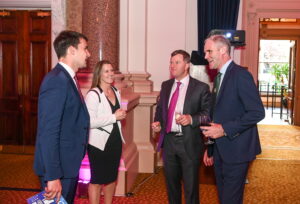
Minister for Tourism, Culture, Arts, Gaeltacht, Sport and Media, Catherine Martin TD, and Minister of State for Sport and Gaeltacht Affairs, Jack Chambers T.D, together with Sport Ireland, have announced almost €80m for the sport sector under two separate support programmes.
Some €73.6m in Covid funding is being allocated under five separate streams to help sports organisations to recover and grow post pandemic, support our grassroots network of clubs and local sports partnerships, and ensure people of all ages and abilities return to sport and physical activity.
A further €5.3m is being provided to sport National Governing Bodies (NGBs) and Local Sports Partnerships (LSPs) for the provision of sports equipment including the roll out of defibrillators for clubs, kits for school children and state of the art equipment for our high-performance athletes.
Today’s announcement follows a commitment from both Ministers of a €65 million COVID-19 investment programme. Additional investment has been provided through the 2021 Sport Ireland budget providing total COVID support of €73.617 million to the sector. The timing of the schemes provides stability and certainty to the sports sector as it emerges from the pandemic and plans for 2022.
Minister for Tourism, Culture, Arts, Gaeltacht, Sport and Media, Catherine Martin TD said: “As a nation so fond of sports, we are very supportive of our clubs, our competitors and of course everyone who enjoys physical activity. But the last two years have been two of the most challenging for all sports organisations and the announcement of this funding will come as a relief for the sports sector. It’s important that the sport sector is on a firm financial footing. The additional funding, coupled with the increase in the budget for sport in 2022, will ensure the long-term viability of our sports organisations, high performance sport and will make sure sport remains accessible to all. These emergency funds will reach all corners of the country, a myriad of activities and ensure clubs and grassroots groups continue their great work.”
Minister of State for Sport and Gaeltacht Affairs Jack Chambers TD, added: “I welcome today’s allocations announced by Sport Ireland, which recognise the immense contribution that sport and physical activity has made to Ireland’s response to the pandemic. All facets of society continue to adjust as the public health situation evolves and our National Governing Bodies, Local Sports Partnership and sports clubs are to be commended on how they have adapted. Government understands that this has been challenging for all and the funding allocated today will assist the sector as it continues to play an important role in supporting all members of society getting and staying active.”
Specific investment has also been provided for the disability sport sector in line with the SportForAll initiative with, amongst others, Special Olympics Ireland, the Irish Wheelchair Association and Paralympics Ireland receiving financial support. A number of the approved equipment grants are also specifically targeted at disability sport.
This investment recognises the disproportionate and unanticipated extent of COVID-19 restrictions on their activities and the difficulties associated with a resumption and return to normal levels of activity.
Chairman of Sport Ireland, Kieran Mulvey, commented: “Sport Ireland has engaged extensively with the sector since the onset of the pandemic to understand the pressure points and where organisations need support. This is reflected in the allocations made today by Sport Ireland, which also factor in the wider economic and social impact of sport. It was a priority of the Board of Sport Ireland that the needs of the disability sector were specifically addressed, with ring-fenced funding being allocated in the allocations. The recent budget announcement by the Ministers of an increase in the overall sports funding for 2022 has further reinforced that sense of confidence that support is available. We look forward to working with our funded bodies and a positive 2022.”
The total amount of money available is designed to protect the existing physical and operational infrastructure of Irish sport. This is in recognition that any reconstruction of Irish sport would ultimately cost more over the long run.
Sport Ireland Chief Executive, John Treacy, said: “While organised sport has returned in a meaningful way in recent months, the impact of the restriction of the last two years is still being felt across the sector. Indoor sports in particular have been disproportionately affected, while a large number of outdoor sports have seen their commercial programmes hit. The funding announced by Sport Ireland will alleviate the pressure on these sports and help the wider club infrastructure to sustain their commendable efforts in providing for their membership. As throughout the pandemic, Sport Ireland remains available to our national sporting organisations to provide support and guidance where necessary.”
The COVID funding announced today is in addition to the COVID-19 contingency fund which was directed towards exceptional costs generated by the Olympic and Paralympic Games in Tokyo, which were postponed for 12 months until this year. This contingency fund ensured National Governing Bodies were supported to address costs incurred that were beyond the scope of Sport Ireland’s High Performance Programme funding and other programme resources. Full details are set out in Appendix I.
In relation to the separate equipment funding, Sport Ireland was requested to identify and prioritise proposals from NGBs and LSPs which would advance the Government’s National Sports Policy with a focus on the areas of participation, inclusion, female involvement in sport and delivery of the Sport Ireland High Performance Strategy 2021-2032.
Following completion of their assessment process, Sport Ireland recommended grants totalling €5.3m broken down as follows:
- €3.4m to support NGBs further advance participation opportunities;
- €1.4m to support NGBs advance the strategic objectives of the Sport Ireland High Performance Strategy; and
- €0.5m to Local Sports Partnerships to advance participation and physical opportunities at a community level.
Full details of these equipment grants are shown in Appendix II.
Appendix I – COVID Supports
Scheme One – IRFU, FAI, GAA
This specific fund was created in recognition of the particular operational challenges facing the three largest field sports. These organisations’ ability to generate commercial income continued to be severely disrupted throughout 2021.
Scheme Two – NGB Resilience Fund
Broadly, the allocations cover the loss of income from events, ticket sales, sponsorship, affiliation & membership fees, courses, services and the additional costs arising from the implementation of social distancing and Covid-19 protocols. It is acknowledged that indoor sports and Governing Bodies who are more reliant on commercial activity and have more diverse streams of income will require greater support.
Scheme Three – Club Resilience Fund
A large number of the challenges faced by Governing Bodies are replicated across their Club network with income from affiliation & membership fees, events, competition, coaching courses and ancillary services all reduced. The additional costs arising from the implementation of social distancing and Covid-19 protocols has also had a significant impact on Club activities where the sharing of equipment, facilities and resources is common place. In addition, there are a number of Governing Bodies whose network of Clubs consist of commercial organisations operating out of dedicated facilities with full time staff and strong annual turnovers. Such organisations are more reliant on membership, competition and coaching revenues as well as income from ancillary sporting and non-sporting commercial activity.
Sport Ireland will not fund Clubs, Affiliates, Provinces or Branches directly and funding will be accessed through programmes established by the Governing Body.
Scheme Four – Swimming Pool & Facilities Fund
This scheme provides specific funding to support the reopening and continued viability of Swimming Pools along with the strategic facilities of National Governing Bodies & Local Sports Partnerships.
A Funding Scheme for swimming pools will be designed and delivered by Ireland Active in consultation with Sport Ireland.
Scheme Five – Resumption of Sport & Physical Activity
A Restart Fund to support the return of sport and physical activity post pandemic has been made available.
The Scheme seeks to support a number of key focus areas
- A Disability Sport Fund
- Older Adults Support
- Third Level Education Support
- NGB Grassroots & Indoor Sport Support
- LSP Small Grant Scheme
- LSP Grassroots Sport Support
Notes to the Editor:
Total Overall NGB Allocations
| Organisation |
Scheme One |
Scheme Two |
Scheme Three |
Scheme Five |
Total |
|
|
|
|
|
|
| Gaelic Athletic Association |
20,000,000 |
– |
– |
– |
20,000,000 |
| Football Association of Ireland |
19,000,000 |
– |
– |
– |
19,000,000 |
| Irish Rugby Football Union |
18,000,000 |
– |
– |
– |
18,000,000 |
|
|
|
|
|
|
| Field Sports Total |
57,000,000 |
– |
– |
|
57,000,000 |
|
|
|
|
|
|
| Special Olympics Ireland |
– |
– |
– |
500,000 |
500,000 |
| Irish Wheelchair Association Sport |
|
|
|
142,000 |
142,000 |
| CARA |
|
|
|
80,000 |
80,000 |
| Paralympics Ireland |
|
|
|
65,000 |
65,000 |
| Vision Sports Ireland |
– |
– |
– |
50,000 |
50,000 |
| Disability Sport Total |
– |
– |
– |
837,000 |
837,000 |
|
|
|
|
|
|
|
|
|
|
|
|
| Cricket Ireland |
– |
1,300,000 |
200,000 |
– |
1,500,000 |
| Basketball Ireland |
– |
360,000 |
550,000 |
100,000 |
1,010,000 |
| Golf Ireland |
– |
– |
700,000 |
200,000 |
900,000 |
| Athletics Ireland |
– |
– |
650,000 |
– |
650,000 |
| Irish Athletic Boxing Association |
|
60,000 |
400,000 |
50,000 |
510,000 |
| Gymnastics Ireland |
|
– |
500,000 |
– |
500,000 |
| The Camogie Association |
– |
500,000 |
– |
– |
500,000 |
| Irish Martial Arts Commission |
– |
– |
225,000 |
215,000 |
440,000 |
| Swim Ireland |
– |
– |
300,000 |
125,000 |
425,000 |
| Horse Sport Ireland |
– |
– |
300,000 |
200,000 |
500,000 |
| Hockey Ireland |
– |
– |
350,000 |
– |
350,000 |
| Irish Sailing |
– |
– |
350,000 |
– |
350,000 |
| Badminton Ireland |
– |
130,000 |
– |
200,000 |
330,000 |
| Motor Sport Ireland |
– |
120,000 |
150,000 |
50,000 |
320,000 |
| Triathlon Ireland |
– |
186,000 |
125,000 |
– |
311,000 |
| Volleyball Ireland |
– |
– |
– |
200,000 |
200,000 |
| Irish Squash |
– |
– |
60,000 |
125,000 |
185,000 |
| Rowing Ireland |
– |
85,000 |
100,000 |
– |
185,000 |
| National Community Games |
– |
100,000 |
50,000 |
– |
150,000 |
| Irish Underwater Council / Diving Ireland |
– |
10,000 |
110,000 |
– |
120,000 |
| Canoeing Ireland |
– |
– |
18,000 |
100,000 |
118,000 |
| GAA Handball |
– |
– |
– |
100,000 |
100,000 |
| Archery Ireland |
– |
32,000 |
50,000 |
7,000 |
89,000 |
| Fencing Ireland |
– |
5,000 |
70,000 |
– |
75,000 |
| Irish Judo Association |
|
15,000 |
20,000 |
35,000 |
70,000 |
| Motorcycling Ireland |
– |
50,000 |
– |
– |
50,000 |
| Olympic Handball |
– |
– |
– |
40,000 |
40,000 |
| Bowling League of Ireland |
|
– |
40,000 |
– |
40,000 |
| Rugby League Ireland |
|
– |
15,000 |
20,000 |
35,000 |
| Irish Taekwondo Union |
– |
15,000 |
10,000 |
– |
25,000 |
| ONAKAI |
– |
– |
25,000 |
– |
25,000 |
| Racquetball Association of Ireland |
|
5,000 |
20,000 |
– |
25,000 |
| Weightlifting Ireland |
– |
– |
20,000 |
3,000 |
23,000 |
| Tug of War |
– |
12,000 |
– |
10,000 |
22,000 |
| Irish Orienteering Association |
– |
– |
– |
20,000 |
20,000 |
| Irish Surfing |
– |
– |
– |
20,000 |
20,000 |
| American Football Ireland |
– |
– |
8,000 |
10,000 |
18,000 |
| Bol Chumann na hÉireann |
– |
– |
15,000 |
– |
15,000 |
| Table Tennis Ireland |
– |
– |
– |
10,000 |
10,000 |
| Angling Council Of Ireland |
– |
– |
– |
10,000 |
10,000 |
| Federation of Irish Sport |
– |
– |
14,000 |
– |
14,000 |
| Totals |
57,000,000 |
2,985,000 |
5,445,000 |
1,850,000 |
10,280,000 |
LSP Small Grant Scheme
| Carlow Sports Partnership |
€ 28,800 |
| Cavan Sports Partnership |
€ 76,000 |
| Clare Sports Partnership |
€ 62,200 |
| Cork Sports Partnership |
€ 115,000 |
| Donegal Sports Partnership |
€ 40,600 |
| Dublin City Sport and Wellbeing Partnership |
€ 69,000 |
| Dun Laoghaire-Rathdown Sports Partnership |
€ 44,600 |
| Fingal Sports Partnership |
€ 40,600 |
| Galway Sports Partnership |
€ 49,000 |
| Kerry Recreation and Sports Partnership |
€ 76,000 |
| Kildare Sports Partnership |
€ 53,000 |
| Kilkenny Recreation & Sports Partnership |
€ 43,000 |
| Laois Sports Partnership |
€ 29,355 |
| Leitrim Sports Partnership |
€ 62,200 |
| Limerick Sports Partnership |
€ 142,000 |
| Longford Sports Partnership |
€ 55,200 |
| Louth Sports Partnership |
€ 44,600 |
| Mayo Sports Partnership |
€ 93,400 |
| Meath Local Sports Partnership |
€ 35,800 |
| Monaghan Sports Partnership |
€ 14,850 |
| Offaly Sports Partnership |
€ 33,800 |
| Roscommon Sports Partnership |
€ 20,300 |
| Sligo Sport and Recreation Partnership |
€ 76,000 |
| South Dublin County Sports Partnership |
€ 28,800 |
| Sports Active Wexford |
€ 76,000 |
| Tipperary Sports Partnership |
€ 66,800 |
| Waterford Sports Partnership |
€ 32,455 |
| Westmeath Sports Partnership |
€ 54,840 |
| Wicklow Sports Partnership |
€ 35,800 |
| Total |
€ 1,600,000 |
LSP Grassroots Sport Support
| Organisation |
Amount |
| Carlow Sports Partnership |
€ 50,950 |
| Clare Sports Partnership |
€ 38,644 |
| Cavan Sports Partnership |
€ 9,490 |
| Cork Sports Partnership |
€ 77,031 |
| Donegal Sports Partnership |
€ 27,600 |
| Galway Sports Partnership |
€ 49,000 |
| Kildare Sports Partnership |
€ 29,750 |
| Laois Sports Partnership |
€ 40,617 |
| Leitrim Sports Partnership |
€ 20,400 |
| Limerick Sports Partnership |
€ 62,665 |
| Longford Sports Partnership |
€ 20,800 |
| Mayo Sports Partnership |
€ 29,953 |
| Roscommon Sports Partnership |
€ 5,650 |
| Sligo Sport and Recreation Partnership |
€ 28,991 |
| Tipperary Sports Partnership |
€ 4,500 |
| Wicklow Sports Partnership |
€ 3,960 |
| Total |
€ 500,000 |
| Full Investment Breakdown |
|
|
|
|
|
|
|
|
|
|
|
|
|
| Organisation |
Scheme One |
Scheme Two |
Scheme Three |
Scheme Four |
Scheme Five |
Total |
|
|
|
|
|
|
|
| Gaelic Athletic Association |
20,000,000 |
– |
– |
|
– |
20,000,000 |
| Football Association of Ireland |
19,000,000 |
– |
– |
|
– |
19,000,000 |
| Irish Rugby Football Union |
18,000,000 |
– |
– |
|
– |
18,000,000 |
| |
|
|
|
|
|
|
| Field Sports Total |
57,000,000 |
– |
– |
|
|
57,000,000 |
| |
|
|
|
|
|
|
| Special Olympics Ireland |
– |
– |
– |
|
500,000 |
500,000 |
| Irish Wheelchair Association Sport |
|
|
|
|
142,000 |
142,000 |
| CARA |
|
|
|
|
80,000 |
80,000 |
| Paralympics Ireland |
|
|
|
|
65,000 |
65,000 |
| Vision Sports Ireland |
– |
– |
– |
|
50,000 |
50,000 |
| Disability Sport Total |
– |
– |
– |
|
837,000 |
837,000 |
| |
|
|
|
|
|
|
| |
|
|
|
|
|
|
| Cricket Ireland |
– |
1,300,000 |
200,000 |
|
– |
1,500,000 |
| Basketball Ireland |
– |
360,000 |
550,000 |
|
100,000 |
1,010,000 |
| Golf Ireland |
– |
– |
700,000 |
|
200,000 |
900,000 |
| Athletics Ireland |
– |
– |
650,000 |
|
– |
650,000 |
| Irish Athletic Boxing Association |
|
60,000 |
400,000 |
|
50,000 |
510,000 |
| Gymnastics Ireland |
|
– |
500,000 |
|
– |
500,000 |
| The Camogie Association |
– |
500,000 |
– |
|
– |
500,000 |
| Irish Martial Arts Commission |
– |
– |
225,000 |
|
215,000 |
440,000 |
| Swim Ireland |
– |
– |
300,000 |
|
125,000 |
425,000 |
| Horse Sport Ireland |
– |
– |
300,000 |
|
200,000 |
500,000 |
| Hockey Ireland |
– |
– |
350,000 |
|
– |
350,000 |
| Irish Sailing |
– |
– |
350,000 |
|
– |
350,000 |
| Badminton Ireland |
– |
130,000 |
– |
|
200,000 |
330,000 |
| Motor Sport Ireland |
– |
120,000 |
150,000 |
|
50,000 |
320,000 |
| Triathlon Ireland |
– |
186,000 |
125,000 |
|
– |
311,000 |
| Volleyball Ireland |
– |
– |
– |
|
200,000 |
200,000 |
| Irish Squash |
– |
– |
60,000 |
|
125,000 |
185,000 |
| Rowing Ireland |
– |
85,000 |
100,000 |
|
– |
185,000 |
| National Community Games |
– |
100,000 |
50,000 |
|
– |
150,000 |
| Irish Underwater Council / Diving Ireland |
– |
10,000 |
110,000 |
|
– |
120,000 |
| Canoeing Ireland |
– |
– |
18,000 |
|
100,000 |
118,000 |
| GAA Handball |
– |
– |
– |
|
100,000 |
100,000 |
| Archery Ireland |
– |
32,000 |
50,000 |
|
7,000 |
89,000 |
| Fencing Ireland |
– |
5,000 |
70,000 |
|
– |
75,000 |
| Irish Judo Association |
|
15,000 |
20,000 |
|
35,000 |
70,000 |
| Motorcycling Ireland |
– |
50,000 |
– |
|
– |
50,000 |
| Olympic Handball |
– |
– |
– |
|
40,000 |
40,000 |
| Bowling League of Ireland |
|
– |
40,000 |
|
– |
40,000 |
| Rugby League Ireland |
|
– |
15,000 |
|
20,000 |
35,000 |
| Irish Taekwondo Union |
– |
15,000 |
10,000 |
|
– |
25,000 |
| ONAKAI |
– |
– |
25,000 |
|
– |
25,000 |
| Racquetball Association of Ireland |
|
5,000 |
20,000 |
|
– |
25,000 |
| Weightlifting Ireland |
– |
– |
20,000 |
|
3,000 |
23,000 |
| Tug of War |
– |
12,000 |
– |
|
10,000 |
22,000 |
| Irish Orienteering Association |
– |
– |
– |
|
20,000 |
20,000 |
| Irish Surfing |
– |
– |
– |
|
20,000 |
20,000 |
| American Football Ireland |
– |
– |
8,000 |
|
10,000 |
18,000 |
| Bol Chumann na hÉireann |
– |
– |
15,000 |
|
– |
15,000 |
| Table Tennis Ireland |
– |
– |
– |
|
10,000 |
10,000 |
| Angling Council Of Ireland |
– |
– |
– |
|
10,000 |
10,000 |
| Federation of Irish Sport |
– |
– |
14,000 |
|
– |
14,000 |
| Age & Opportunity |
|
|
|
|
100,000 |
100,000 |
| Student Sport Ireland |
|
|
|
|
100,000 |
100,000 |
| Ireland Active |
|
|
|
3,200,000 |
|
3,200,000 |
| Local Sports Partnership Network |
|
|
|
|
2,100,000 |
2,100,000 |
| Totals |
57,000,000 |
2,985,000 |
5,445,000 |
3,200,000 |
4,987,000 |
73,617,000 |
Appendix II – Sport Ireland Targeted Equipment Grants
| National Governing Bodies of Sport Organisation |
General Participation |
High Performance |
TOTAL |
| Football Association of Ireland |
395,000 |
|
€395,000 |
| Gymnastics Ireland |
|
395,000 |
€395,000 |
| Horse Sport Ireland |
330,304 |
64,696 |
€395,000 |
| Irish Rugby Football Union |
395,000 |
|
€395,000 |
| Irish Sailing |
102,000 |
293,000 |
€395,000 |
| Swim Ireland |
359,000 |
36,000 |
€395,000 |
| Rowing Ireland |
60,000 |
325,000 |
€385,000 |
| Gaelic Athletic Association |
356,000 |
|
€356,000 |
| Irish Athletic Boxing Association |
259,000 |
|
€259,000 |
| Canoeing Ireland |
143,000 |
70,000 |
€213,000 |
| Badminton Ireland |
140,000 |
45,700 |
€185,700 |
| Athletics Ireland |
156,000 |
22,353 |
€178,353 |
| Cricket Ireland |
47,000 |
110,000 |
€157,000 |
| Basketball Ireland |
100,000 |
|
€100,000 |
| Olympic Handball |
100,000 |
|
€100,000 |
| Snooker & Billiards Ireland |
98,400 |
|
€98,400 |
| Irish Martial Arts Commission |
89,000 |
|
€89,000 |
| Hockey Ireland |
|
80,000 |
€80,000 |
| Angling Council of Ireland |
60,000 |
|
€60,000 |
| Volleyball Ireland |
55,000 |
|
€55,000 |
| Tug of War Ireland |
50,000 |
|
€50,000 |
| Irish Underwater Council/Diving Ireland |
35,000 |
|
€35,000 |
| Table Tennis Ireland |
25,100 |
|
€25,100 |
| Irish Surfing |
20,000 |
|
€20,000 |
| Tennis Ireland |
|
12,500 |
€12,500 |
| Irish Wheelchair Association Sport |
12,000 |
|
€12,000 |
| Total Funding Requests [NGBs] |
3,386,804 |
1,454,249 |
€4,841,053 |
Local Sports Partnerships (LSP’s)
| Carlow LSP |
€ 42,800 |
| Cavan LSP |
€ 22,461 |
| Clare LSP |
€ 10,000 |
| Donegal LSP |
€ 30,000 |
| Kerry LSP |
€ 84,000 |
| Kildare LSP |
€ 45,000 |
| Laois LSP |
€ 38,803 |
| Leitrim LSP |
€ 35,000 |
| Longford LSP |
€ 25,000 |
| Meath LSP |
€ 56,774 |
| Monaghan LSP |
€ 5,500 |
| Offaly LSP |
€ 20,000 |
| Sligo LSP 1 |
€ 20,000 |
| Tipperary LSP |
€ 36,900 |
| Waterford LSP |
€ 9,800 |
| Total |
€482,038 |
Dec 1, 2021
Three innovative Irish tech companies come together to make sports performance technology accessible to all
The market leader in sports club automation, Clubforce is hosting a live webinar on Tuesday the 7th of December at 7pm, called Performance Technology For The GAA. The live webinar sees three innovative Irish technology companies – Output Sports, STATSports and Clubforce – coming together to make sports performance technology accessible to all. To book your place at the event please click on this link.
The purpose of the webinar, targeted at GAA coaches and players from all over the world, is to kickstart conversations around performance technology for sports, how it can benefit teams and players and how it truly makes sport accessible to all. Speakers at the live webinar include Barry McEntee, Lead Physiotherapist with Meath Ladies Footballers, Marty Clarke, former Gaelic and Irish Australian Football League Star and Gary Flannery, Head of Athletic Performance at Roscommon GAA.
The technology uses wearable and phone camera sensing capabilities to track gym performance with lab grade accuracy and integrates this data for enhanced training, injury risk stratification and talent ID. It is the most diversely capable performing testing tool on the market and has clients in more than 17 countries including in the GAA Championship, English Premier League, NBA, Six Nations Rugby and Major League Baseball. The technology enables both coaches and players to measure strength, power, speed and movement which is sure to improve their performance on the field.
Clubforce is the Irish leader in sports club automation, simplifying payments and providing a communications, promotions and fundraising platform for members, clubs and leagues. Clubforce has been championing club volunteers, innovating and making sport happen since 2009. The company began its journey by supporting diaspora in the United States with the technology to donate to their clubs “back home”. Clubforce has grown from strength to strength, recently partnering with STATSports and Output Sports to bring this educational webinar and further advocate for the power of sports technology in making sport accessible to all.
To read the article in full, click here.
Register for the webinar here.
Nov 30, 2021
The awards ceremony will take place virtually over three days on December 7th, 8th and 9th.
The Federation of Irish Sport has today announced the winners of the 2021 Volunteers in Sport Awards proudly supported by EBS. The awards will take place virtually on December 7th, 8th and 9th and will see volunteers from all 32 counties honoured for their amazing dedication to volunteering across a variety of different sports.
The Volunteers in Sport Awards celebrate the contributions of the band of volunteers across the country who give their time to Irish sport and physical activity every year. This equates to approximately 37.3 million hours of volunteering across Ireland’s 13,000 registered sports clubs and associations and, according to Sport Ireland’s 2021 ‘Researching the Value of Sport in Ireland’ report is worth an estimated €1.5bn to the exchequer.
Throughout September and October members of the public, sports clubs and governing bodies were invited to nominate an individual whose contribution to sport and physical activity in Ireland has made a real difference to their community, club or county. The nominations and award recipients were selected by a judging panel consisting of 12 individuals drawn from sports administration, the volunteer community and media, and included former Director General of the GAA, Paraic Duffy, RTÉ broadcaster, Marie Crowe and CEO of Gaisce, Yvonne McKenna.
Nov 22, 2021
The Irish business providing over 2000 clubs with sports club automation has teamed up with STATSports to make sport accessible for all. The partnership between Clubforce and STATSports will be another step in creating a sports technology ecosystem for the future, one which makes sport inclusive by making advanced performance analysis accessible to all.
STATSports provides an all-encompassing, unparalleled, sports science and performance analysis service within the elite sporting industry. They have advanced the application of sports science within the high-profile sporting organisations of their growing client list. Some of their Global clients include Manchester United, Manchester City, Arsenal, Liverpool, Brazil, South Africa Rugby, New York Yankees, Miami Dolphins, Tyrone, Dublin football and Galway Hurling. In 2017, STATSports launched their revolutionary APEX device which is worn by athletes during training sessions.
Clubforce has transformed the way sports clubs are managed and is the leading club automation platform, used by teams worldwide to unify their members, to take the pain from admin and to drive fundraising forward. Clubforce technology allows volunteers, parents and players alike to work together effectively, receiving the right information at the right time so everyone can participate to their very best. The software company has been operating in Ireland since 2009 and has pioneered automation technology in this space by listening carefully to clubs and volunteers across the country and now more recently internationally. Clubforce’s mission is to make sport accessible for all while also creating joy, health and physical wellbeing amongst the community.
Just last month the company entered a strategic partnership with Output Sports, to help customer clubs improve and enhance player’s performance by enabling them to monitor and track their performance. Clubforce continues to grow its technology partnership footprint and is also the official partner of the Federation of Irish Sports and Connacht Rugby.
STATSports co-founder and CCO Sean O’Connor remarked: “Strategic partnership is important to STATSports. It’s never a case of signing on with other organisations for the sake of it. Clubforce are another thriving Irish company in the technology space who complement our core mission in helping sports teams reach their ultimate potential. We offer these teams and their staff their time back with the best performance analysis technology platforms in the industry. Clubforce provide a similar service to their clients with their all-in-one club management platform. We’re a good match and we’re delighted to synergise with them.”
Responding to the announcement, Warren Healy, CEO of Clubforce says: “We are thrilled to partner with a technology company like STATSports. Their story is inspirational, and our global ambitions are shared. Both teams are on a mission to build an eco-system for the future so the industry can bring the benefits of sports to as many people as we can worldwide. We’re incredibly excited at Clubforce as we know exactly what the STATSports technology can generate for our customers.”
STATSports APEX device works to collect intricate data on players physical wellbeing and performance. This data enables coaches and managers to track performance and adjust team and or player workloads to help them perform better in training and on the field. The device has already transformed the GPS player tracking device landscape in its short inception.
It has altered the sports technology and sports science sphere by giving teams a device that is five years more advanced than any of the other similar products on the market. It integrates all the latest technologies on the market including augmented 18Hz GPS, Bluetooth LE and 600 Hz accelerometer. These technologies make it the most accurate and powerful tracking device on the market today.
In 2018, STATSports launched its Apex Athlete Series which is a Bluetooth-enabled GPS device that relies on the exact same core technology as the professional product. The only difference is it scales down the complexity to make the offering much more accessible to individual athletes, therefore, making advanced performance technology accessible to all. Athletes can track 16 Key metrics such as total distance or max speed and compare their results against the STATSports pros and their team-mates.
STATSports Apex Coach Series product was created with amateur teams in mind. Coaches can track players metrics and compare sessions and workloads. It objectively measures performance and coaches can use that data to plan future training sessions. The GPS technology can also help in preventing injuries and prevent burn-out. Coaches can use the data to regulate workloads and put proper recovery and tapering strategies into place to ensure optimum performance. The data that has been collected over a player’s career can then provide invaluable insights to training and game demands for future generations.
ENDS
For further information about the partnership, contact Rachel Kavanagh, Chief Marketing Officer at Clubforce via phone 353 86 102 5589 or email rachel@clubforce.com
Nov 4, 2021
Introduction
On October 19th Government announced Ireland’s plan for the next phase of the response to the COVID-19 pandemic. Full details of the announcement can be found here: It is envisioned that these measures will remain in place until approximately February 2022. Sporting Organisations should continue to implement strong protocols with regard to training,
competition and other sporting activities. These will include:
The collection of contact tracing data.
The use of COVID 19 Officers.
Recommending symptomatic individuals do not participate in or attend sporting activities.
The ongoing promotion of good respiratory & hand hygiene.
The wearing of face coverings in relevant settings.
Ensuring that indoor spaces are well ventilated.
Consideration of indoor space densities and duration of indoor activities.
Monitoring, oversight and compliance activities should continue to be reinforced by Sporting Organisations. Up to date and active Communication on existing measures will also assist with the ongoing promotion of public health measures at a local level.
In addition to the protective measures outlined above the Return to Sport Expert Group strongly recommends that all eligible individuals consider vaccination as a matter of priority. This will maximise availability of indoor sporting opportunities and the number of participants.
Summary of the Measures applicable from October 22nd Outdoor Sport – General
Outdoor group activities should continue to implement the relevant protective measures as outlined above.
Proof of vaccination or recovery will no longer apply for spectators attending outdoor events.
Fixed capacity limits will no longer apply for spectators or participants at outdoor events.
Indoor Sport – General
The use of the EU Digital COVID Certificate (vaccine or recovery certificate) will be required for accessing indoor sporting activities and events.
Where individuals have mixed immunity status, pods of up to 6 participants will be permitted (excluding adult coaches/instructors).
Multiple pods will be permissible subject to protective measures.
The overall number of pods will have regard to the size of venue and there should be substantial social distance between individual pods.
For Vaccinated individuals no fixed capacity limits apply to these activities.
Vaccinated spectators attending indoor sporting events should be fully seated.
Indoor Youth Sport – Games and Competitions (Updated 4 November, 2021)
Underage Participants – Children under 18 Years Old
The current “pod of six” system can be adjusted to allow for indoor games and competition activities according to the ordinary rules and limits of the sport concerned.
The ‘pod of six’ system should be retained for all other settings such as training activities.
The continuation of the pod system for more frequent activity will assist in minimising the overall risk and facilitate contact tracing.
Mitigation Measures for Inclusion in Indoor Youth Sport Protocols
Staggered start and finish times combined with appropriate entry, exit and traffic management protocols to minimise the unnecessary interaction of participants at any one time.
The pre-booking of activity including the health screening of participants along with coaches & support personnel.
Symptomatic individuals not to participate in or attend sporting activities.
Consideration of indoor space densities when determining overall numbers.
Reduction in the overall duration of activities.
Ensuring that indoor spaces are well ventilated.
Participants to arrive prepared to play; limited use of changing room or showers.
The ongoing promotion of good respiratory & hand hygiene.
The wearing of face coverings by coaches and support personnel.
Additional signage, hand sanitization stations and deep cleaning implemented.
The use of physical distancing during warm-ups, rest times and off the field of play.
No handshakes, high fives, fist pumps, chest bumps, huddles, group celebrations, etc.
The use of dedicated COVID 19 Officers to ensure implementation and compliance of measures.
Transport To and From Activities & Events
Sporting Organisations organising transport to/from events should implement protective measures such as mask wearing etc. as appropriate. Private transport (carpooling) carrying those not yet vaccinated or of mixed immunity should be
aware of the higher risk. The use of appropriate face coverings is recommended. If carpooling consider use of a pod system in which the same participants pool together for all activities.
Showers / Changing Rooms / Sports Clubhouse Gyms
Where all individuals are vaccinated the full use of showers and changing rooms is permitted. Where individuals have mixed immunity status the use of these facilities should be pod based. The type of protective measures implemented will be determined by the type of facility users (i.e. vaccinated / mixed immunity). Sample protective measures may include:
Limit overall duration of individuals in a changing room for example implement a 15 minute window / 5 minute shower rule etc.
Implement adequate social distancing measures in changing areas for example the use of every second changing space/lockers/shower head etc.
Recommend the wearing of masks in shared areas (showers an exception).
Provide clear signage highlighting any relevant space capacities and time durations.
Close off any unnecessary spaces or those not in use/not permitted.
Monitor toilets with agreed capacity numbers and limit to participants/patrons only.
Implement flow management systems where necessary.
To improve ventilation consider an open window / open door policy (subject to privacy).
Provide sanitisation stations as appropriate on entrances and in shared areas.
Continue to promote hand hygiene and respiratory etiquette through signage, posters etc.
Ensure deep cleaning of shared areas on a regular basis.
In relation to Gyms and Training Facilities within sports clubs, these may operate in line with the broader permissions for indoor facilities. i.e. the use of pods of 6 for mixed immunity participants or no fixed limit for participants with proof of immunity. Appropriate protective measures and COVID protocols should be in place.
Indoor Meetings & Educational / Coaching Courses
Sports may wish to continue to conduct Meetings & Educational / Coaching Courses remotely
or outdoors. Coaching or Educational programmes that contain a practical element should be delivered in line with other sporting measures permitted i.e. the use of pods of 6 for mixed immunity participants. Appropriate protective measures and COVID protocols should be in place. Ongoing consideration to Room densities, meeting durations and ventilation should continue throughout the Winter months.
Health Questionnaires
In line with a move towards personal judgement and responsibility and where appropriate sports may wish to begin to unwind the ongoing use of health questionnaires for training and events from October 22nd. The promotion of the Governments COVID TRACKER APP and the ongoing recommendation that symptomatic individuals do not attend sporting activities or
events until 48hrs symptom free should continue.
Substantial Distance amongst Pods
Indoor activities made up of Mixed Immunity Participants should continue in pods of up to 6. Multiple pods will be permissible and should take into account the overall size of the venue. Substantial social distancing between individual pods should be implemented. The levels of ‘substantial distance’ will differ depending on the nature and intensity of the activity. To any independent onlooker it should be clear that the pods are completely separate groups operating independent of one another with no interaction or sharing of equipment and there is no opportunity for them to mix or stray into one another’s group or playing space. In addition it is not recommended that Coaches/instructors participate in multiple pods. A single
Coach/Instructor may however coach/instruct/oversee/ supervise more than one pod. This Coach/Instructor should ensure that they are not directly engaging with or in close proximity to any individual members of the pod. To any independent onlooker it should be clear that the Coach/Instructor is completely separate to the groups he/she is overseeing.
Sharing of Equipment
Sport particularly competitive team sport will require a certain degree of equipment sharing. Where this can be reduced or limited for example in individual sport or in training activities, it may help decrease overall risk. Where there is any sharing of equipment, appropriate sanitisation practices should remain in place.
Use of Masks
The use of masks in indoor settings particularly for those not participating in activity continues to be recommended. The use of masks on public transport remains a requirement, while the use of masks in shared private transport continues to be strongly recommended. Medical staff should continue to use masks and appropriate PPE when treating participants.
Ventilation
Ventilation will remain a core component of the COVID-19 response. The HSA has published a new COVID-19 Work Safely Protocol employer checklist on ventilation. Further expanded details on ventilation can be found in the Appendixes.2
Underage Spectators at Indoor Sporting Events
Accompanied minors (i.e. children under 18 years old accompanied with a fully vaccinated/proof of immunity adult) attending indoor sporting events in a spectating capacity are not required to be fully vaccinated or recovered to attend events and do not need to show a COVID-19 pass. Unaccompanied minors (children under 18 years old) attending indoor sporting events in a
spectating capacity are required to be fully vaccinated or recovered to attend events and must show a COVID-19 pass. They must also have photo ID to prove that the COVID-19 Pass relates to them.
Appendixes
Heating, Ventilation and Air Conditioning (HVAC)
The details provided in this section are general in nature and relate to non-healthcare settings. The spread of the virus is most likely when infected people are in close contact so the risk of getting COVID-19 is higher in crowded and poorly ventilated spaces where infected people spend long periods of time together in close proximity. It is important to maximise ventilation in
areas where people are in close contact. This applies whether the location is a workplace, a residence or other community setting. While large droplets containing the virus will settle onto the surrounding surfaces within seconds, smaller particles can stay suspended for longer.
Dilution of indoor air by opening windows and doors or using mechanical ventilation systems can lower the airborne concentration and remove these smaller particles from the air. Reoccupying workplaces should not, in most cases, require new ventilation systems but improvements to ventilation will help increase the quantity of clean air and reduce the risk of
exposure to airborne concentrations of the virus. Ventilation refers to the movement of outdoor air into a building, and the circulation of that air within the building or room while removing stale air to improve the air quality. This can be achieved through natural means (e.g. opening a window) or by mechanical means e.g. HVAC systems. While ventilation reduces the amount of virus in the air and the aerosol risk, it will have minimal impact on droplet transmission where people are within 2 metres of each other, or contact transmission (touching surfaces), which is why it is not a standalone measure and continued
adherence to other public health advice is absolutely essential.
Ventilation should therefore not be seen as a replacement for the other infection prevention and control measures advised such as hand-washing, surface cleaning, respiratory etiquette, physical distancing, mask wearing and the continued advice to work from home where possible. In addition, the continued need for workers to stay at home if they have any symptoms of COVID19 or are feeling unwell is crucial too. Employers can also seek to reduce the risk of transmission by limiting the numbers of workers in a given area and paying particular attention to work activities that increase deeper breathing (including singing, physical exertion and shouting).
All of these infection and prevention control and other measures should continue to be adhered to and implemented. The primary principle for improving ventilation is to minimise transmission, so that the level of “fresh” outside air should be maximised therefore reducing the level of recirculated air in the workspace, unless high-efficiency particulate filters (HEPA) are
installed in the ventilation system. Regulatory requirements in the Workplace The Safety, Health and Welfare at Work (General
Application) Regulations 2007, requires employers to make sure there’s an adequate supply of fresh air (ventilation) in enclosed areas of the workplace.
This can be done by:
Natural ventilation which relies on passive air flow through windows, doors and air vents that can be fully or partially opened. This is the simplest way to ensure adequate air quality in poorly ventilated areas.
Mechanical ventilation using fans and ducts including window fans to bring in fresh air from outside, or a combination of natural and mechanical ventilation, for example where mechanical ventilation relies on natural ventilation to maximise fresh air.
Any planned changes to ventilation should consider regulatory requirements under building, food and/or health and safety regulations along with other consequences such as cost, energy use, noise and security. Determining ventilation of enclosed workplace settings should be considered as part of the workplace risk assessment. The priority for the risk assessment is to identify areas of the workplace that are usually occupied and are poorly ventilated. These are also the areas that should be prioritised for improvement to reduce the risk of aerosol transmission of the virus.
A poorly ventilated area may include:
Areas where people work and where there is no mechanical ventilation or natural ventilation such as open windows, doors or vents etc.
Areas that use mechanical ventilation if the system recirculates air and has no outdoor air supply in place.
Areas that are stuffy or smell bad. There are various recommendations made for what the appropriate air changes per hour (ACH) could be for different indoor settings. However, the overall objective should be to increase the ventilation in the workspace thereby improving the existing ventilation without impacting on the workers’/occupants’ comfort.
The following should be considered when developing a workplace risk assessment:
How do you currently provide ventilation (fresh air) in your workplace? Most ventilation is provided by natural or mechanical means or a combination of both of these.
How many workers occupy or use the area(s)? The more people who use or occupy an area the greater the risk that an infected person is there, increasing possible exposure to aerosol transmission. Ensuring that workers who have symptoms of COVID-19 or are feeling unwell remain at home is key here. In addition, reducing the number of people who use or occupy an area can also reduce this risk.
How much time do workers spend in the area(s)? The longer workers spend in an area, the greater the risk. This risk can be minimised by encouraging working from home where possible.
What work activities take place in the area(s)? Activities that make you breathe deeper, for example physical exertion or shouting, may increase generation of aerosols and increase the risk of transmission.
How large is the area(s)? The larger the area, the lower the risk as the virus droplets will be diluted and less likely to build up.
Are there any features in the workplace which might affect ventilation? For example, is there large machinery in use which might impact cross ventilation air flow?
Do you use open windows?
– Cross-ventilation is a good option for window ventilation as it facilitates the quick exchange of room air for fresh air through widely opened windows opposite to each other, where possible.
– Propping open internal doors may increase air movement and ventilation rate
– Fire doors should not be propped open unless fitted with approved automatic closers so that they function as fire doors in the event of an alarm or fire.
– Airing rooms as frequently as you can improves ventilation. Open all the doors and windows fully to maximise the ventilation in a room. This may be best done when the room or area is unoccupied.
Do you use desk or ceiling fans? Desk or ceiling fans should not be used in poorly ventilated areas as they may only recirculate the virus droplets rather than remove them from the area. Fans should only be used in areas where there is a single occupant.
Does the workplace have Local Exhaust Ventilation (LEV)? Where workplaces have Local Exhaust Ventilation, the make-up air should ideally come from outdoor air rather than from adjacent rooms. The Health and Safety Authority guidance on LEV is a useful resource for advice and guidance and it is available here.
Does the workplace have multiple or complex ventilation systems in place? For example, different systems on different floors or areas. In such cases, the CIBSE Ventilation
Guidance can provide additional information. In addition, it may be necessary to retain the services of a ventilation engineer to provide expert advice on what modifications are needed to the mechanical system to reduce any potential transmission risks. Before embarking on use of a service engineer, all other mitigation factors such as reducing occupancy etc., should be considered first. While the use of HVAC systems can provide comfortable environmental conditions (temperature and humidity) and clean air in indoor settings such as buildings and vehicles, it is important to check ventilation systems to ensure that there is an adequate supply of fresh air (from a clean source) and that recirculation of untreated air is avoided. There is no need to
switch off air conditioning to manage the risk of COVID-19.
It is advised to speak to the building engineer or system manufacturer before implementing any
of the changes or recommendations below relating to mechanical ventilation.
Disable air recirculation system settings where possible.
Keep ventilation running all the time regardless of building occupancy, even if on a low setting when building unoccupied. Ensure that demand controlled ventilation settings are turned off where necessary.
Use the correct filters as per the manufacturer’s specifications.
Ensure regular maintenance of HVAC systems.
Ensure those who are responsible for maintaining and servicing are trained and competent.
Avoid the use of ceiling mounted, desk and portable fans where possible as they may
only recirculate the virus droplets rather than removing them.
Extend the hours of nominal HVAC operations particularly in relation to before the building is occupied.
Avoid directing air flow directly onto individuals or across groups of individuals as this may facilitate transmission.
Ensure extractor fans in bathrooms are functional and running when in use. Ensure that such fans are not recirculating air to other poorly ventilated areas of the workplace where workers are exposed.
Ensure that any changes to ventilation systems introduced do not have negative impacts on worker’s comfort levels or do not result in non-compliance with occupational health and safety or building regulations.
Checking CO2 levels may also help determine if ventilation is poor in an area where people work. For example, where there is no mechanical ventilation or natural ventilation in place or for areas that are stuffy or smell bad. However, while checking CO2 levels may be useful in a number of limited settings, they are less effective in work areas used by few people or in large
work spaces. The use of CO2 measurements as an indicator of building ventilation when there are CO2 sources other than people, such as fuel combustion (fires and stoves) and cooking is also not recommended. Checking CO2 levels is also not a good proxy for transmission risk in spaces where there is additional air cleaning (e.g., HEPA filtration) as these remove the virus but not exhaled CO2. Additional research is needed to determine overall how levels of CO2 can provide a more
reliable indicator to show that ventilation is adequate to mitigate transmission risks. Always follow the sensor manufacturer’s advice and instructions on care and use of the sensor at all times and ensure adequate training is in place on their use and maintenance. CO2 monitors should never be used as a means to avoid adherence to the infection prevention and control
measures recommended by Public Health. Other equipment and systems Local air cleaning may be beneficial in reducing risks in some spaces, particularly where it is not possible to increase ventilation using natural or mechanical means as set out above.
Such devices typically use HEPA filters. These devices are usually either stand-alone and they can be deployed in any space or installed in a manner similar to a local air conditioning unit. While these devices can increase the air flow, their effectiveness will depend on the volume of the room/area and the flow rate through the device. Therefore, it is important that if considering
this as an option the device should be of a suitable specification for the relevant area. Their introduction and use in the workplace should be done as part of an overall assessment of the existing ventilation systems in place to show that their use is necessary. There are also drawbacks in using these devices – noise emissions are likely and these impacts need to be risk assessed before using them. In addition, operators need to be properly trained to use and maintain them.
As with CO2 monitors, use of such systems are supplementary in nature and should not be seen as a substitute for Public Health advice or ventilation. Guidance and Information Further information on ventilation is available at:
HPSC – Guidance on non-healthcare settings
WHO – A roadmap to improve and ensure good ventilation in the context of COVID-19 across healthcare, non-healthcare and residential settings. Provides useful flow charts to assist in decision making about ventilation
Oct 19, 2021
The Alliance for Insurance Reform has today published the results of an ongoing survey that shows that insurance premiums continue to rise despite trends in claims costs and recent reforms.
The Alliance has been running the survey since the implementation of new Judicial Guidelines for personal injury awards on 24th April 2021. Since then, 0ver 450 businesses and voluntary and community groups have responded1 and they tell us that:
- Their premiums have increased by 15% on average on renewal
- Homecare businesses are being hit by average increases on renewal of +122%
- Nursing homes are seeing average increases on renewal of +35%
- Hospitality premiums are up another 9% despite a significant drop in the level of activity in the sector
- In a follow-on survey, member organisation The Wheel found that 45% of respondent charities, voluntary and community organisations have seen increases of over 10% in their liability insurance
- Respondents reported an average reduction in private motor insurance renewals of -10%, consistent with CSO data for the same period
Eoin McCambridge, Managing Director of McCambridge’s of Galway and director of the Alliance said “The total number of liability-related personal injury claims has reduced by 47% over the 11 years between 2009 and 20192 and a further 16% last year3. PIAB has just announced4 a 40% reduction in average personal injury awards. The Perjury Act has been commenced. The Garda Insurance Fraud Coordination Office has been opened. Economic and social activity has been slashed for the last 19 months. And to further reduce future risk, insurers are excluding Covid-19 from many policies on renewal. The risk associated with each and every insurance premium has plummeted in the last year and a half.”
Tracy Sheridan, owner of Kidspace play centres and director of the Alliance said, “Everything is being done to facilitate affordable insurance. And yet we still see premiums increasing. Before the pandemic, premiums were already unsustainably high for so many sectors of Irish society. Now, if the economy and society as a whole are going to recover from the pandemic, premiums must come down significantly for SMEs, voluntary and community groups, sports and cultural organisations and charities as a matter of urgency.”
Peter Boland, Director of the Alliance said, “It is clear that the incumbent insurers cannot be relied upon to pass on savings. Government must act now to improve competition by getting additional underwriters into the market as a matter of extreme urgency. They must ensure that insurers hold firm on the new Judicial Guidelines rather than settling at higher rates to clear claims. And they must rebalance the duty of care in a way that is fair, reasonable, practical, proportionate and in the public interest; reform PIAB in a meaningful way; and get a publicly-owned fraud database established. Ultimately, they must ensure that all the savings being made are passed on to consumers so that Ireland gets affordable insurance right now and in the long term.”